

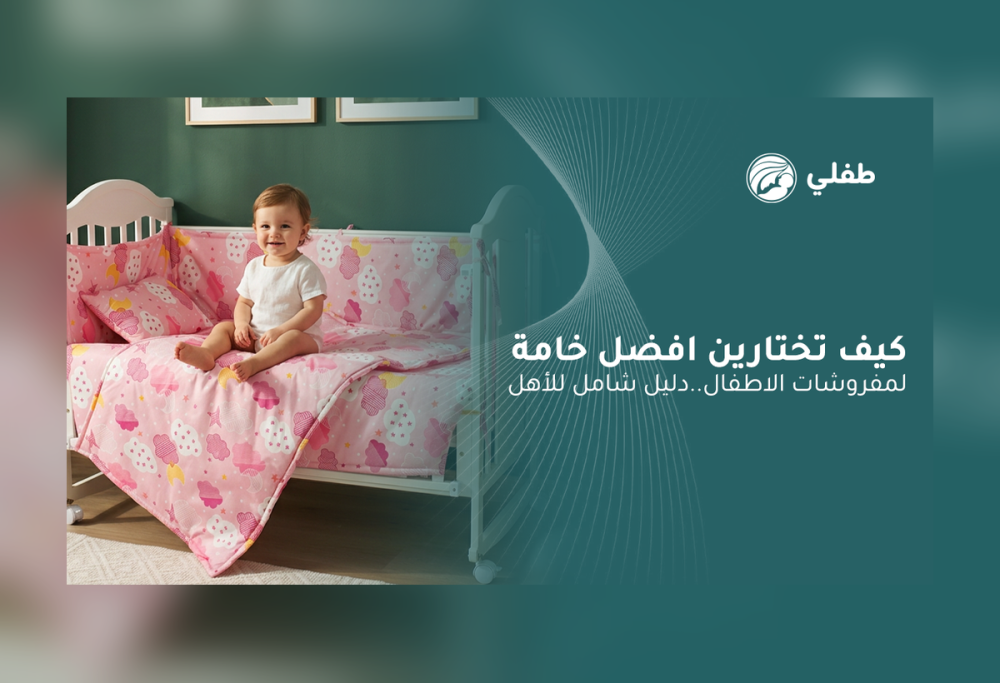
Choosing the best fabric for children’s bedding is not only about a beautiful appearance. It also affects the child’s comfort, sleep quality, and skin health, especially during the first years of life. Soft, breathable fabrics that are free from irritating substances give the child a safer and more comfortable sleep environment.
Poor-quality materials, on the other hand, may cause sweating or skin irritation with repeated use. For this reason, the type of fabric deserves as much attention as the bedding design or colors when preparing a child’s room.
What Are the Types of Children’s Bedding?
Children’s bedding varies to suit different growth stages and places of use. Therefore, it is better to choose the type that meets the child’s needs and provides the highest level of comfort. The most notable types include:
Complete bedding sets, which include several matching pieces such as the sheet, quilt, and pillow to prepare the child’s bed with a coordinated and practical look.
Bedding designed for strollers, available in sizes that fit them and give the child a more comfortable surface while going out and moving around.
Baby bedding, designed with dimensions suitable for infant beds and usually made from soft fabrics that allow air to pass through and maintain skin comfort.
Light or winter quilts, which are used according to the season. It is preferable for them to be made from good natural materials to provide warmth without causing the body to overheat.
Bedding designed for baby carriers and carrycots, which helps increase the child’s comfort during carrying or movement.
Some stores also offer the option to create bedding in special sizes, colors, and designs to suit the room decor or the family’s requirements.
Choosing the best fabric for children’s bedding depends on the type of bedding and the purpose of use, not only on appearance. Therefore, it is better to combine the suitable fabric with the correct size to get practical and comfortable bedding that lasts longer.
What Is the Best Fabric for Children’s Bedding?
Choosing bedding depends on its ability to provide comfort, protect skin health, and remain easy to care for. The most common fabrics include:
Cotton
Cotton is one of the most used fabrics in children’s bedding because it combines softness with good breathability, helping reduce sweating and providing a comfortable sleep environment. It is also easy to wash and withstands repeated use.
For this reason, it is used in making sheets, quilts, pillow covers, and blankets, especially when choosing high-quality cotton types.
It is preferable to choose fabrics that have textile safety certifications, such as Oeko-Tex Standard 100 when available, because they indicate that the product has been tested to ensure it is free from harmful levels of certain chemicals.
Silk
Some parents prefer natural silk because of its soft and smooth texture, which gives the child a feeling of comfort. Although it is suitable for sensitive skin, it needs special care during washing and storage to maintain its quality. Its cost is also usually higher than most other materials.
There is no single fabric that suits all children or all uses. The choice depends on the child’s needs and the nature of daily use. However, natural cotton remains the most common choice because it balances comfort, durability, and ease of care.
Why Is Natural Cotton Recommended?
When comparing different materials, natural cotton remains the option recommended by many specialists because it provides comfort and protection suitable for children’s needs. Its main advantages include:
It has a soft texture that reduces fabric friction against the child’s skin, giving a greater feeling of comfort.
Its fibers allow air to pass through easily, helping reduce heat and moisture retention, especially in warm weather.
It is one of the suitable fabrics for children with sensitive skin, because high-quality natural cotton is less likely to cause irritation compared with some synthetic fabrics.
It retains its properties even with repeated washing if its quality is high. Therefore, many parents rely on it when looking for the best fabric for children’s bedding that combines comfort and ease of use.
Based on that, the value of natural cotton is not limited to its softness only. It also extends to its ability to provide a healthier and more comfortable sleep environment for children. With a good fabric choice and proper care, bedding can last for a long time without losing its quality.
When Is It Better to Choose Organic Fabrics?
If the child has very sensitive skin or experiences repeated irritation, organic cotton fabrics may be an option worth considering. They are produced according to standards that reduce the use of harsh chemicals during farming and manufacturing, which limits irritant residues that may come into contact with the skin.
Therefore, many parents prefer them when looking for the best fabric for children’s bedding that provides extra comfort for children with sensitive skin.
What Are the Benefits of Softness and Breathability?
A child’s comfort during sleep is strongly linked to the fabric’s ability to provide a gentle texture and maintain temperature and moisture balance throughout the night. Therefore, these properties should be considered when choosing bedding.
Its fibers allow air to pass through, helping reduce body overheating in both mild and hot weather.
It absorbs moisture efficiently and helps it evaporate, reducing the feeling of wetness and sweating during sleep.
This contributes to providing a more comfortable sleep environment, which is one of the reasons many families consider it the best fabric for children’s bedding when comparing different materials.
These benefits do not only give the child more comfort, but also help keep the skin dry and reduce discomfort during sleep hours. With high-quality cotton, these properties continue even with repeated use and washing.
How Does Cotton Help Protect Against Allergies?
Organic cotton helps reduce the child’s skin exposure to chemical residues and dyes that may cause irritation. Therefore, it is suitable for children with sensitive skin or eczema.
Based on that, many parents prefer it when looking for children’s bedding that combines comfort and safety, especially during the first years of the child’s life.
Does Cotton Last After Frequent Washing?
High-quality natural cotton does not easily lose its properties with repeated washing. It maintains its softness and shape for a longer period if cared for correctly. That is why it is seen as one of the preferred materials for those looking for a practical fabric that lasts, especially compared with some synthetic fabrics that may change texture or wear out over time.
How Do Colors and Designs Affect the Child’s Sleep Environment?
Choosing suitable children’s bedding does not depend on fabric type alone. Colors and designs also play an important role in creating a comfortable atmosphere inside the bedroom. The effect of colors appears as follows:
Calm shades such as light blue, beige, and soft green tend to create an atmosphere that helps the child relax and get ready for sleep.
Simple patterns, whether inspired by nature or soft geometric shapes, add an aesthetic touch without making the place visually crowded.
Bright colors add a sense of liveliness when used moderately.
Favorite drawings and characters the child recognizes create a feeling of familiarity and may encourage them to accept their room and spend more time in it.
When the right design is combined with strong fabric, the bedroom becomes more comfortable both practically and psychologically. A balanced choice reflects on the child’s feeling of calm and gives them an environment suitable for sleep and daily rest.
Do Bright Designs Suit All Children?
Strong colors and dense patterns do not suit all children. Some children, especially those sensitive to visual stimulation, may feel uncomfortable in environments crowded with colors. For this reason, it is better in such cases to rely on calm shades with playful touches in limited designs.
When choosing the best fabric for children’s bedding, it is also worth considering whether the color and design of the bedding suit the child’s nature, so they can have a more comfortable sleep environment.
What Are the Health and Environmental Benefits of Using Natural Materials for Children?
The benefits of natural materials are not limited to comfort. They also extend to health and environmental aspects that make them preferred choices for children’s bedding. The main benefits include:
High-quality natural fibers help reduce moisture retention inside the fabric, which limits the creation of a suitable environment for the growth of some microorganisms when bedding is cared for and dried correctly.
Dust buildup is reduced inside breathable natural fabrics compared with some synthetic materials, making them a suitable option for children who suffer from respiratory or skin sensitivity.
They can maintain their quality for a good period with regular use, especially if they are made from known materials and washed according to care instructions.
Many natural fabrics are produced with less reliance on petroleum-based materials, making them a more sustainable option.
Therefore, choosing the right fabric is not limited to appearance or texture. It also reflects on the child’s comfort and the quality of bedding use in the long term. When quality is combined with proper care, bedding becomes safer and more sustainable for the family.
How Do Bedding Items Made from Natural Fibers Support Health and Sleep Quality?
Bedding made from natural fibers helps maintain the balance of the child’s body temperature during sleep, reducing the feeling of sudden heat or cold during the night.
This gives the child more stable and comfortable sleep, which is one of the reasons natural fibers are recommended when searching for the best fabric for children’s bedding that supports the child’s health and daily comfort.
To What Extent Do Natural Materials Affect Sustainability?
Natural fabrics, especially organic ones, decompose better than synthetic fibers and do not release similar amounts of microplastic particles during use and washing. Therefore, many families who look for types of children’s bedding that combine quality with responsible resource use prefer them.
What Is the Best Fabric for Children’s Bedding from My Baby?
When deciding to buy children’s bedding that combines softness, quality, and practical design, you will find a selected range of cotton bedding at My Baby suitable for different ages, with various options that meet every family’s needs.
You can also check children’s bed sizes to choose the right size easily, completing your child’s room with comfortable and practical bedding that lasts long.
Here is the best fabric for children’s bedding that we offer you:
7-Piece Baby Bed Sheet and Bumper Set with Turkish Cotton Prints, Model Number: A-LIN-0270
This bedding set combines practical comfort with a calm design to give your child a comfortable sleep environment from the first days. Its main features include:
Made from soft Turkish cotton fabric suitable for children’s sensitive skin.
Carefully selected materials that are free from harmful substances for daily use.
Maintains its appearance and color stability even with repeated washing when care instructions are followed.
A design with calm prints that blends with different children’s room decor styles.
Suitable for baby beds sized 120 × 60 cm, so it is preferable to check the size before buying.
Based on durable stitching that helps maintain the bedding’s shape and quality with use.
The set consists of 7 pieces, including a mattress cover, quilt, pillow, and four side bumpers to provide additional protection inside the bed.
Suitable for daily use and a good option as a newborn gift.
Thanks to its good materials and practical details, this set provides a balance between comfort, safety, and elegant appearance. Having all the essential pieces in one set also makes preparing the child’s bed easier and more practical. Order it now.
7-Piece Baby Bed Sheet and Bumper Set with Turkish Cotton Prints, Model Number: A-LIN-0267
This type provides a complete sleep space that combines daily comfort with elegant coordination inside the child’s room. It features the following:
Cotton fabric with a gentle texture that provides a comfortable feeling during sleep.
Suitable for sensitive skin thanks to its safe materials.
Calm prints add a beautiful touch without overloading the room’s details.
Easy to wash while maintaining fabric quality and color stability.
Designed to fit standard baby beds sized 120 × 60 cm.
All pieces rely on careful finishing and stitching that help withstand repeated use.
The set includes seven essential pieces: mattress cover, quilt, pillow, and four side bumpers to protect the child inside the bed.
A practical option for preparing a newborn’s room or offering as a suitable gift for special occasions.
This model combines practical function with a calm appearance to meet the child’s needs from the first days. The set’s inclusion of all essential pieces also saves the family the effort of buying each piece separately. Order it now.
Complete 6-Piece Four-Strand Braided Baby Bed Set, Grey
If you prefer a set that combines protection with modern touches, the braided bedding set provides practical components that add comfort and elegance at the same time. Its main features include:
Soft material that suits the child’s skin and gives a comfortable feeling during sleep.
Made with safe materials suitable for daily use with children.
The calm grey color is easy to coordinate with most newborn room decor styles.
Easy to clean and maintains its appearance with washing when care instructions are followed.
Suitable for baby beds sized 120 × 60 cm, so it is recommended to check the size before ordering.
The four-strand braid comes with a length of 240 cm to provide protection around the bed edges and give it a distinctive appearance.
The set includes a mattress sheet, quilt, main pillow, in addition to a cloud-shaped pillow and a star-shaped pillow that give the bed a lovely aesthetic touch.
Careful stitching helps maintain the durability of the pieces with continuous use.
This set is a suitable option for those looking for a different design that combines function with an attractive look without exaggeration. The variety of pieces also gives the child’s bed a coordinated appearance ready for use from the first day. Order it now.
How Do I Choose Bedding Suitable for My Child’s Age?
Each age stage has different needs. Based on that, choosing bedding in the right size and good fabric contributes to providing the child with more comfortable sleep. You can choose according to the following criteria:
Start by determining the child’s age stage because the needs of infants differ from the needs of older children.
Measure the bed dimensions accurately before buying so the sheet and quilt fit the size without being too large or too tight, with better bedding stability.
If the child uses a larger bed, such as beds for older children or teenagers, make sure to choose bedding in the size designed for it.
It is preferable to leave a small margin around the mattress dimensions so the bedding stays fixed and does not move during sleep.
For stroller bedding, it is better to match the sizes with the stroller type because dimensions differ from one model to another.
Choosing the best fabric for children’s bedding gives the best result when combined with the correct size. When both are considered, the child gets more comfortable and practical bedding that suits daily needs.
What Is the Difference Between Natural Cotton and Synthetic Materials in Children’s Bedding?
It is not enough to rely on the appearance or price of bedding when choosing. Each material provides a different level of comfort, breathability, and ease of care. The following table explains the main differences between natural fabrics and synthetic materials in children’s bedding:
Comparison Point
Natural Cotton and Natural Materials
Synthetic Materials
Durability
They maintain their quality and softness for a long time with proper care.
Durability differs according to fabric type, and the texture of some types may change with frequent washing.
Environmental Impact
Materials that decompose better, especially natural and organic cotton.
Often rely on synthetic fibers derived from petroleum and need a longer time to decompose.
Breathability
Allow air to pass through and help regulate body temperature during sleep.
Breathability is lower compared with natural fabrics, especially in low-quality types.
Moisture Absorption
Absorb moisture and help it evaporate, keeping bedding dry.
Tend to retain moisture more in many types.
Care and Cleaning
Withstand repeated washing when proper washing instructions are followed.
Often dry quickly, but some types may clump or lose shape over time.
Comfort on Skin
Soft and gentle texture suitable for children’s sensitive skin.
May retain heat, which may cause discomfort for some children with sensitive skin.
This comparison shows that choosing fabric does not depend on cost only, but on the level of comfort and safety it provides for the child with daily use. When looking for bedding that lasts and suits sensitive skin, natural fabrics remain among the options worth considering.
How to Choose Safe Children’s Bedding Free from Harmful Substances
Choosing safe bedding starts with knowing the fabric and manufacturing quality. Simple details can make a big difference in the child’s comfort and health. The most important details include:
Choose bedding made from natural fibers, as cotton is one of the most suitable options for children’s skin.
Avoid fabrics with a high polyester percentage if the child suffers from skin sensitivity or excessive sweating.
Do not make low price alone the standard for buying, because some low-quality products may use unwanted dyes or treatments.
Choose breathable materials that help air pass through and reduce heat retention during sleep.
Buy bedding from a trusted store that clearly states the manufacturing materials and product care instructions.
Make sure the fabric and stitching are free from loose threads or raised edges that may bother the child.
It is preferable to choose bedding that can withstand repeated washing without shrinking or changing color easily.
When choosing bedding for your child, give priority to quality and durability so the bedding keeps its efficiency for a longer period.
Therefore, paying attention to these details makes bedding more comfortable and safer for daily use and reduces the need to replace it within a short period. In addition, combining good fabric with trusted manufacturing gives the child a healthy and comfortable sleep environment.
Frequently Asked Questions
Should Children’s Bedding Be Washed Before First Use?
Yes, it is recommended to wash new bedding before using it to remove any residues that may remain from manufacturing or storage, while using a gentle detergent free from strong fragrances, especially if the child is a newborn or has sensitive skin.
How Often Should Baby Bed Bedding Be Washed?
Under normal conditions, it is best to wash sheets and pillow covers at least once a week, and to wash them immediately if exposed to milk, vomit, or wetness. Regular cleaning reduces the buildup of dust and germs and maintains the child’s comfort. It also helps preserve fabric quality and extend its life with continuous use.
Can Fabric Softener Be Used with Children’s Bedding?
No, it is better to avoid using fabric softeners and strong fragrances with infant bedding because they may leave residues on the fabric that can cause irritation for children with sensitive skin. They may also affect the absorbency of some natural fabrics.
What Is the Best Temperature for Washing Children’s Bedding?
The temperature differs according to the manufacturer’s instructions, but washing bedding at around 40 degrees Celsius is suitable in most cases if it is not heavily soiled. Some cases may require higher temperatures according to the care instructions written on the label.
Does Fabric Thread Density Affect the Quality of Children’s Bedding?
Yes, a higher fabric density may give the fabric greater durability and a softer texture. However, quality does not depend on this factor alone. It is also affected by the type of fibers and the way they are manufactured and finished.
When Should Children’s Bedding Be Replaced?
It is preferable to replace it when clear signs appear, such as fabric thinning, damaged stitching, severe fading, or if it starts retaining odors and moisture despite washing. These signs may indicate that the bedding is no longer efficient in providing comfort and cleanliness.
Is Summer Children’s Bedding Different from Winter Bedding?
Yes, in summer it is preferable to use lightweight, breathable fabrics such as cotton to help reduce heat retention. Thicker quilts and bedding suit cold weather, provided they do not cause the child’s body to overheat during sleep, while considering suitable clothing for the room temperature to provide more comfortable sleep.
Are Quality Certifications Important When Buying Children’s Bedding?
Yes, the presence of certifications or labels confirming that fabrics have undergone safety tests, such as being free from harmful substances, gives parents greater confidence in the product, especially if the bedding is intended for infants or children with sensitive skin.